Cairo, 17 June 2026
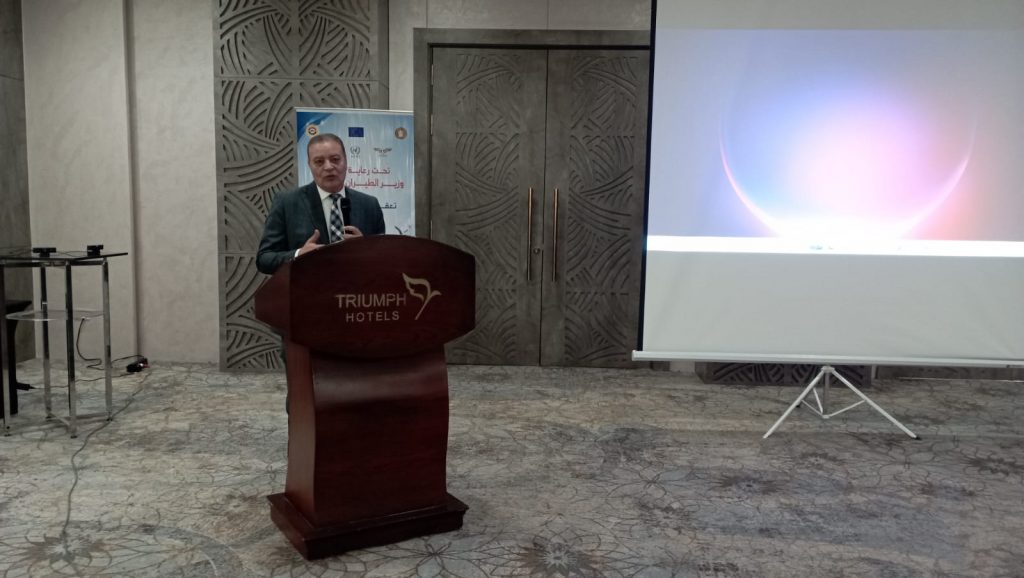
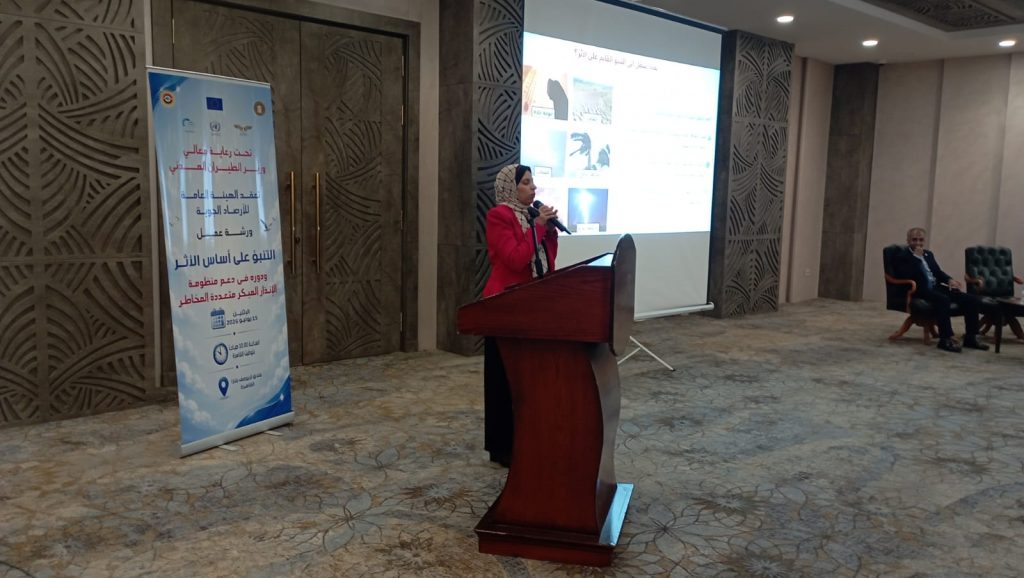
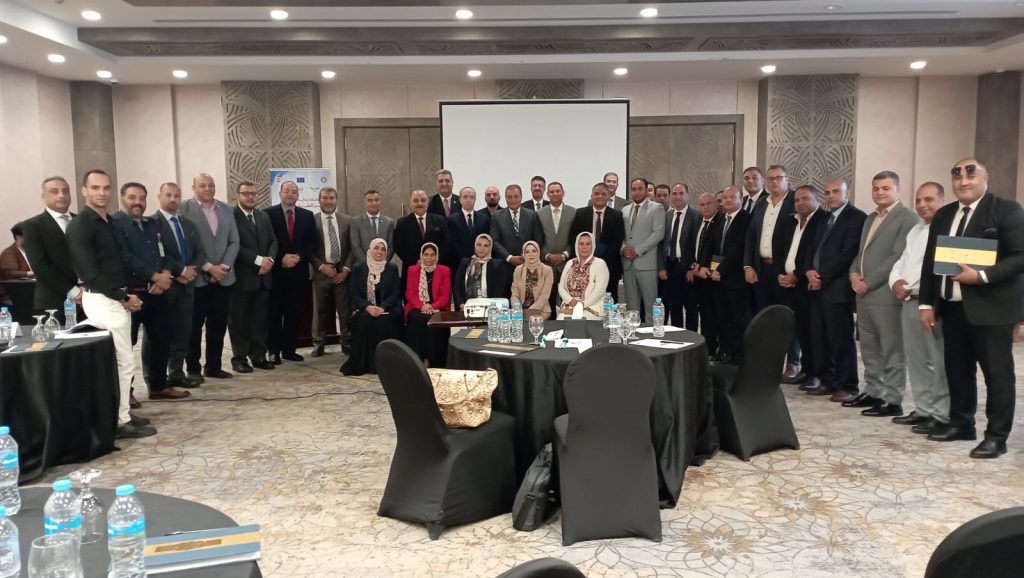
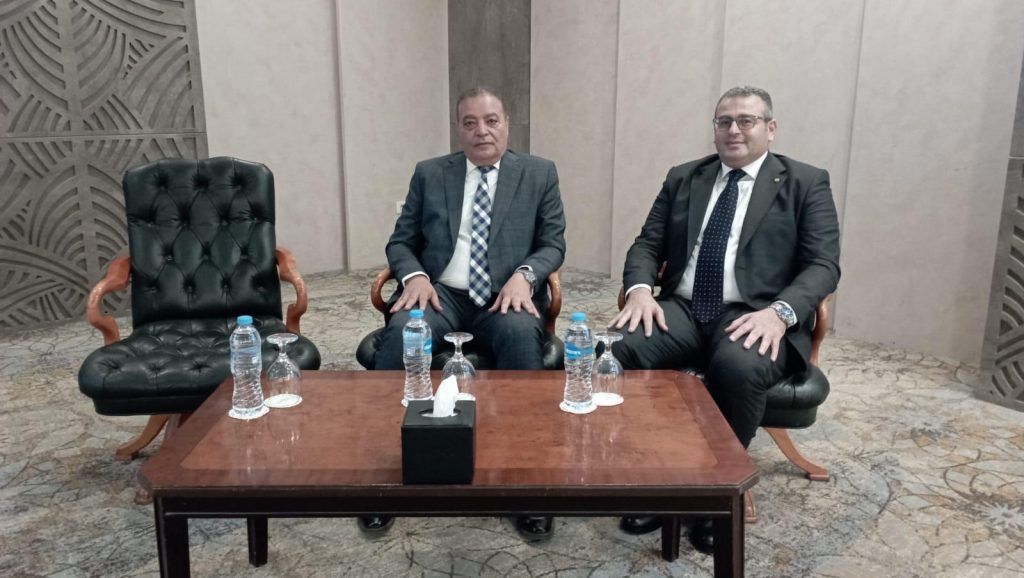
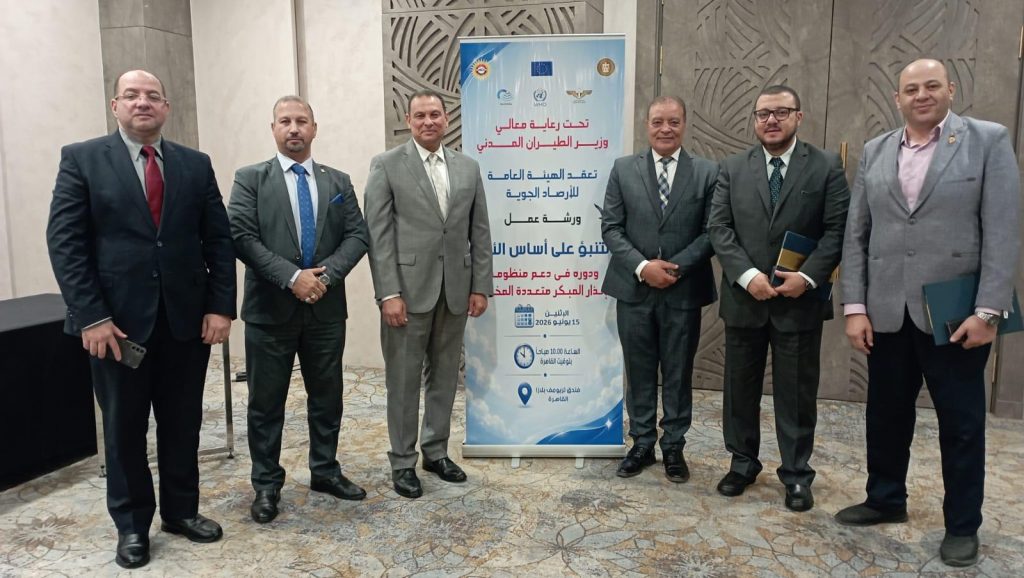
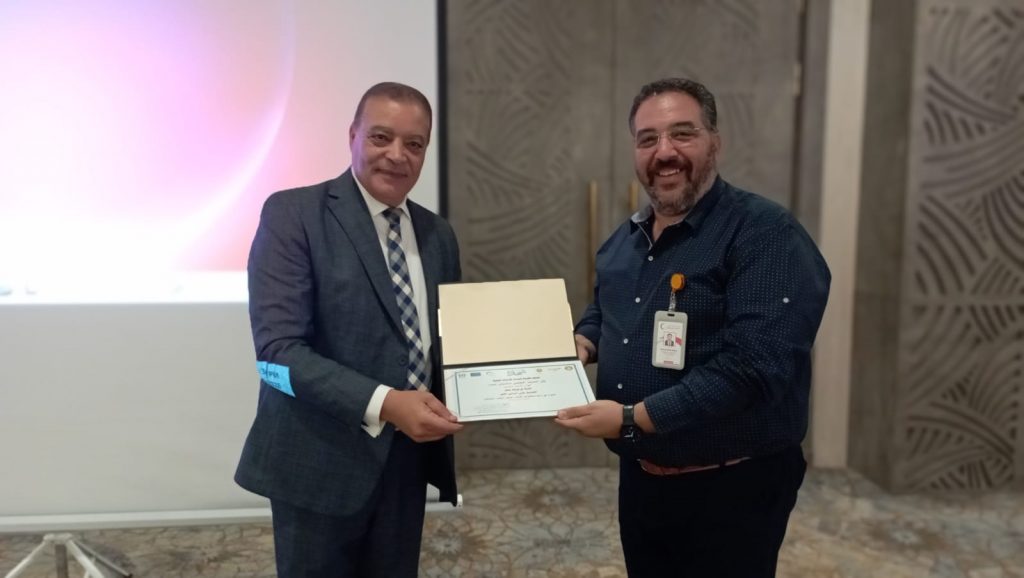
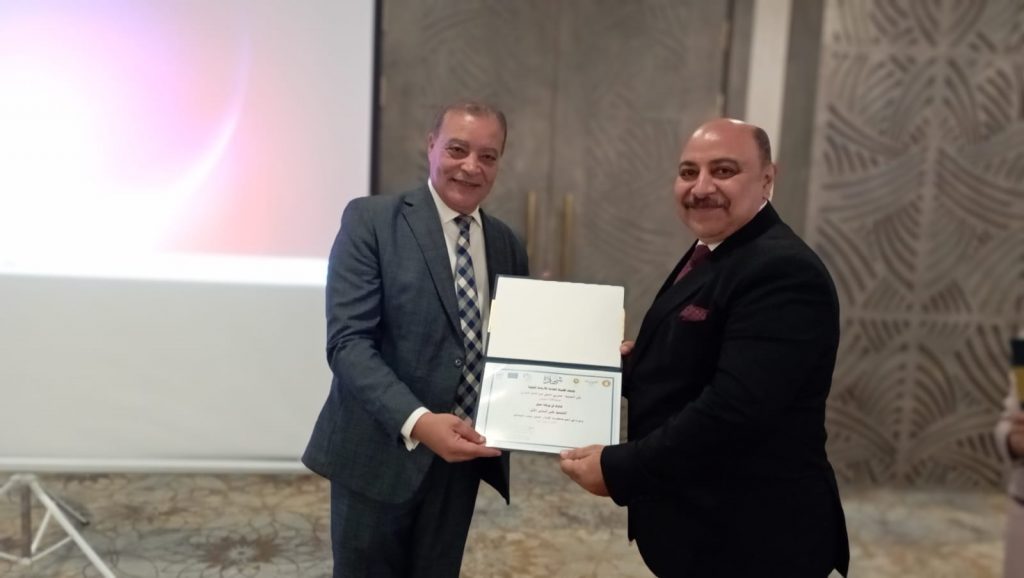
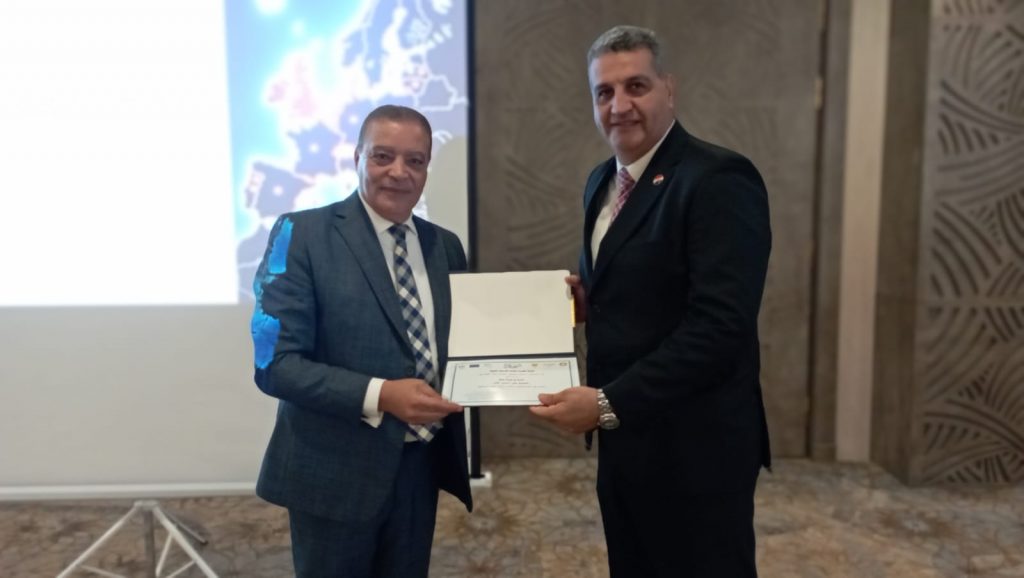
The Egyptian Meteorological Authority (EMA), in cooperation with the Cabinet’s Crisis, Disaster and Risk Reduction Management Secretariat, organized a national workshop in Cairo on “Impact-Based Forecasting and Its Role in Supporting Multi-Hazard Early Warning Systems.” Held under the patronage of Dr. Sameh El-Hefny, Minister of Civil Aviation, the event reflects Egypt’s growing commitment to proactive disaster risk management amid intensifying climate impacts.
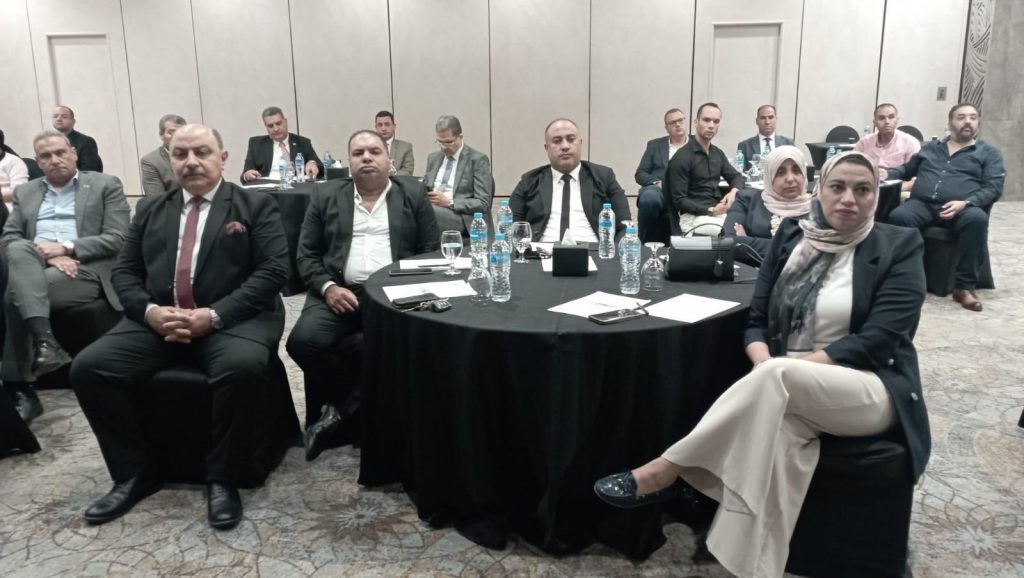
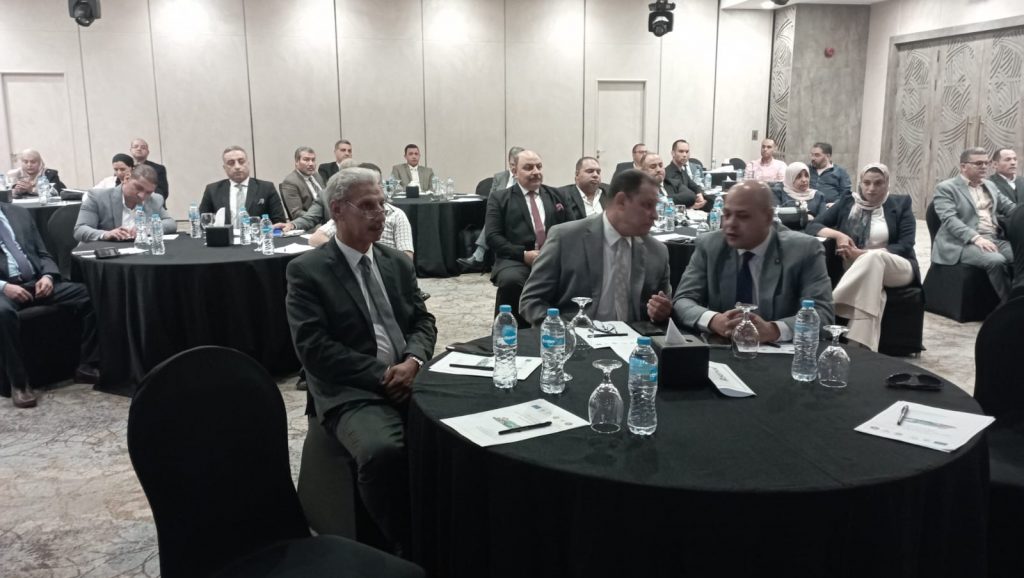
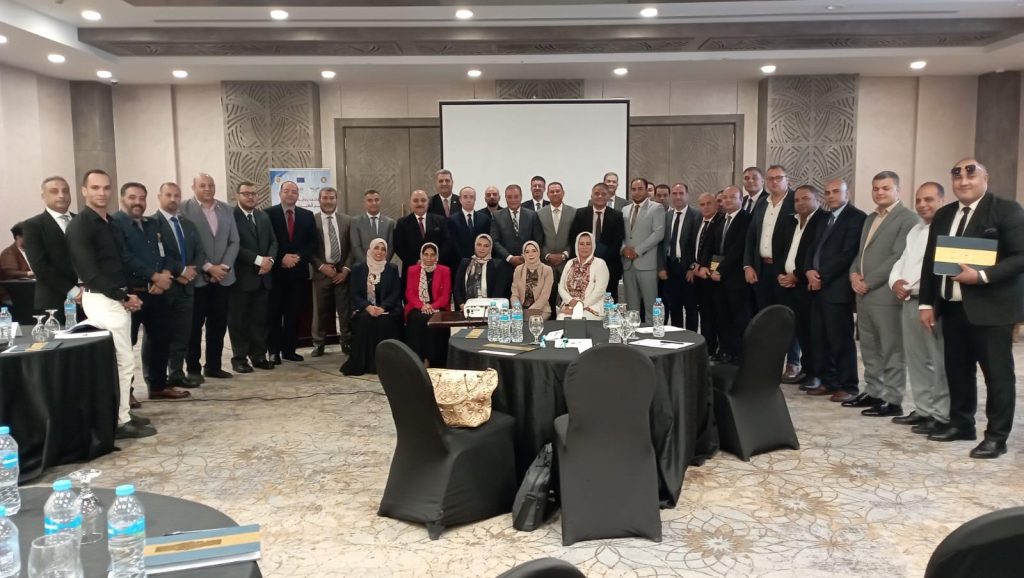
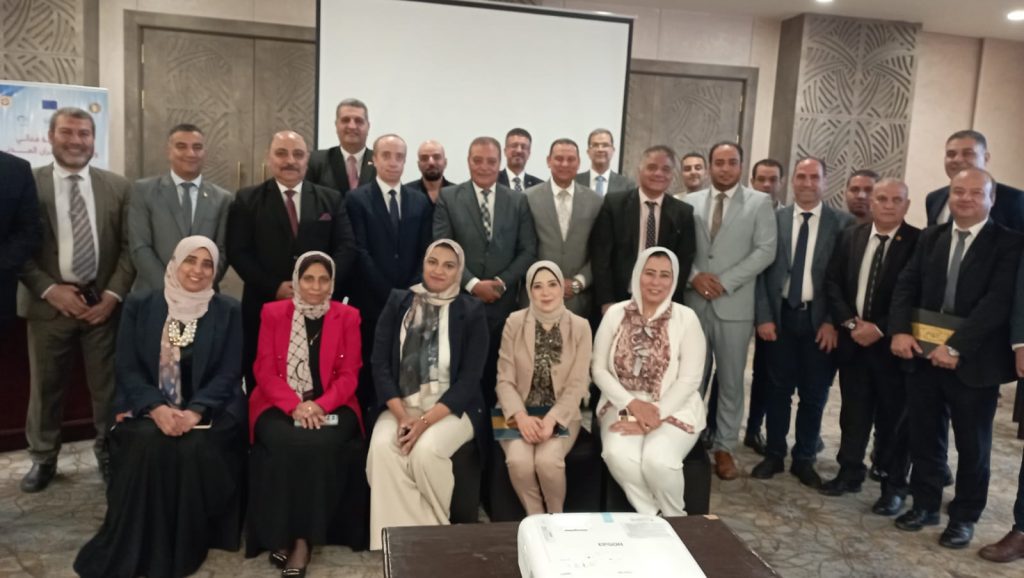
The workshop drew broad participation, 50 attendees in person and 64 online, from ministries, governmental authorities, governorates, crisis management entities and emergency operation centers.
From forecasts to decisions
At the core of the workshop was Impact-Based Forecasting (IBF), one of the most advanced approaches now being adopted globally to strengthen early warning services. Rather than stopping at weather prediction, IBF links forecasts directly to their likely impacts on people, infrastructure and sectors — giving decision-makers the information they need to act before a hazard strikes.
Captain Hisham Tahoun, Chairman of EMA, stressed that the workshop supports the continued development of Egypt’s Multi-Hazard Early Warning System (MHEWS) and reinforces national preparedness for extreme weather and natural disasters. He highlighted the need to adopt cutting-edge scientific and technological tools and to strengthen coordination and information-sharing across institutions to protect lives, property and sustainable development outcomes.
MedEWSa: a regional bridge for early warning innovation
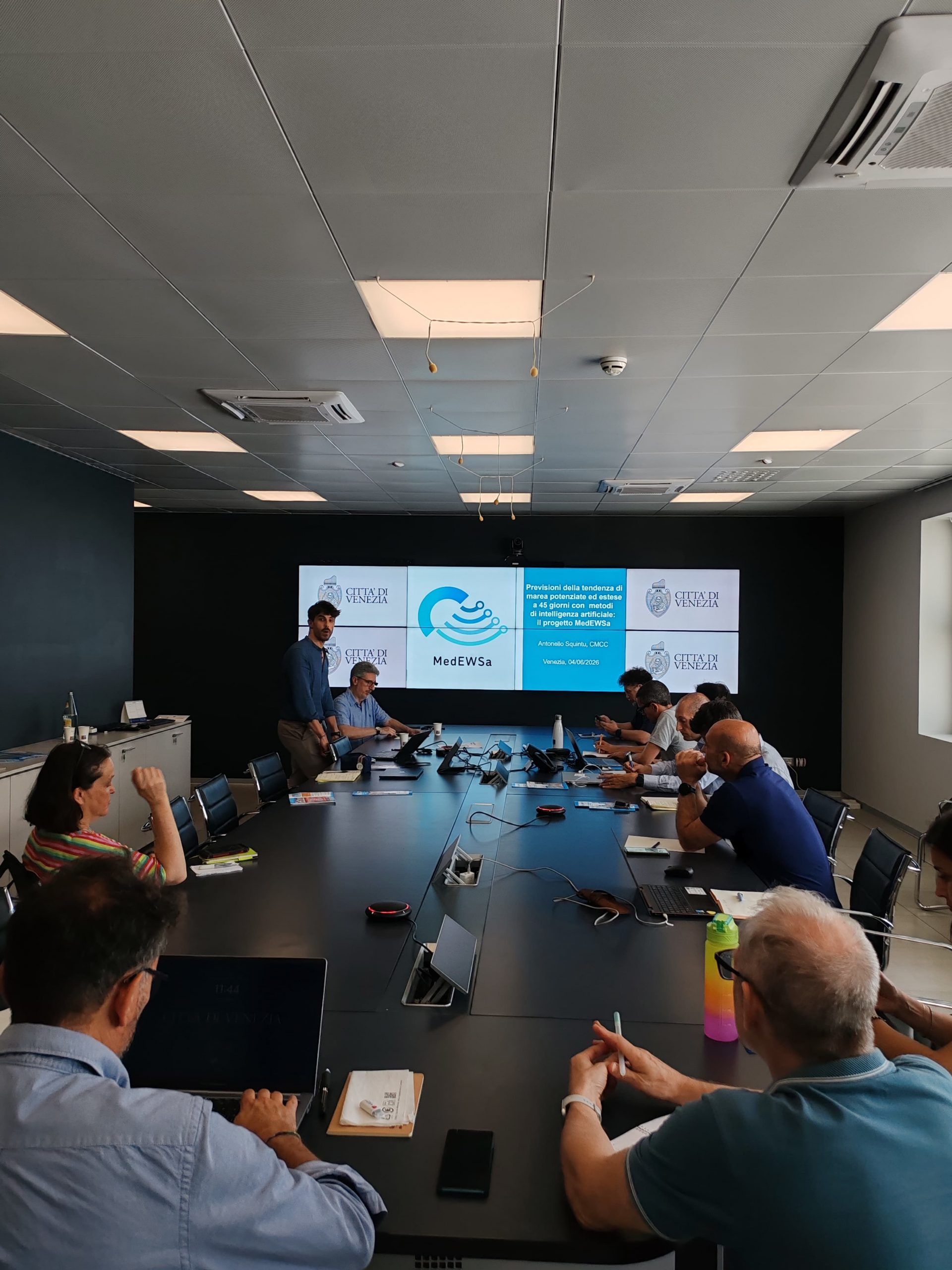
Participants were introduced to the MedEWSa Project, which is strengthening early warning capacities across the Mediterranean through advanced tools and platforms for forecasting natural hazards and extreme weather. Egypt is a pilot country within MedEWSa’s second twin, pairing Venice (Italy) and the Alexandria/Nile Delta region (Egypt) to tackle coastal floods and storm surges — extending sea-level forecasting horizons and improving early warning for coastal communities and infrastructure.
Participants emphasized the value of integrating MedEWSa’s tools and outcomes into national efforts to advance impact-based early warning systems, reduce disaster risk, and build long-term resilience.
The workshop is part of EMA’s ongoing strategy to reduce disaster risk, strengthen national multi-hazard early warning capacities, and build climate-resilient communities — in line with Egypt’s broader commitment to proactive risk management and the Sustainable Development Goals.