Across Europe, the Mediterranean and neighboring regions, climate change isn’t an abstract possibility anymore but a lived reality. Intensifying storms, heatwaves, wildfires, floods and cascading multi-hazard impacts are stretching emergency services, threatening lives and infrastructure, and challenging how societies prepare and respond. Policymakers, scientists, and civil protection authorities increasingly agree that we need more than reaction — we need anticipation, integration and shared knowledge.
The European Union, through interconnected research programs under Horizon Europe, is pushing precisely this: a shared commitment to disaster preparedness that integrates advanced science with community resilience. At the heart of this recent CORDIS publication it is highlighted cutting-edge EU-funded research projects advancing early warning, resilience and civil protection. Among these initiatives, MEDEWSa is prominently featured — not as a peripheral example, but as a concrete illustration of how European research is redefining disaster preparedness at scale.
Its inclusion in the CORDIS publication signals more than visibility. It positions MEDEWSa as a reference project within the Horizon Europe landscape — one that operationalizes the EU’s ambition to connect advanced science, civil protection authorities and vulnerable communities into a shared preparedness framework.
From Forecasts to Impacts: A Core Theme Highlighted by CORDIS
A key message in the CORDIS article is the growing importance of impact-based forecasting. Knowing that a storm is coming is useful; knowing which neighborhoods will flood, which hospitals are at risk, and which transport links may fail is transformative.
Twinning Regions, Sharing Preparedness
Another aspect that resonates strongly with the CORDIS narrative is MEDEWSa’s twinning concept. The project links European regions with non-EU counterparts that face similar hazards, creating paired pilot sites that exchange tools, data and operational experience.
This structure transforms preparedness into a learning network rather than a one-way transfer of technology. Knowledge flows between Venice and the Nile Delta on coastal flooding, between Greece and Ethiopia on wildfires, or between Spain and Sweden on heatwaves and droughts. In doing so, MEDEWSa demonstrates the “shared commitment” highlighted in the CORDIS article — one that extends beyond Europe’s borders and contributes to global early warning capacity.
Rather than remaining a purely research-driven exercise, MEDEWSa is positioned — both in practice and in the CORDIS narrative — as a bridge between science and policy, between forecasts and field decisions, between European capacity and global responsibility.
10 Featured EU-Funded Projects on Disaster Preparedness and Societal Resilience
Below are the projects highlighted in the CORDIS Results Pack, each linked to its source or official page so you can explore how they contribute to strengthening resilience and engagement across Europe:
C2IMPRESS – A project pioneering people-centred risk assessment frameworks to empower citizens with climate action tools.
RiskPACC – Bringing citizens and civil protection authorities together to co-create disaster resilience solutions.
GOBEYOND – Developing multi-risk early warning systems that boost response capacity for geo, weather and climate risks.
PARATUS – Co-developing open-source dynamic risk assessment tools for compound disaster scenarios.
MEDiate – Creating an integrated decision support system for multi-hazard preparedness and cascading risks.
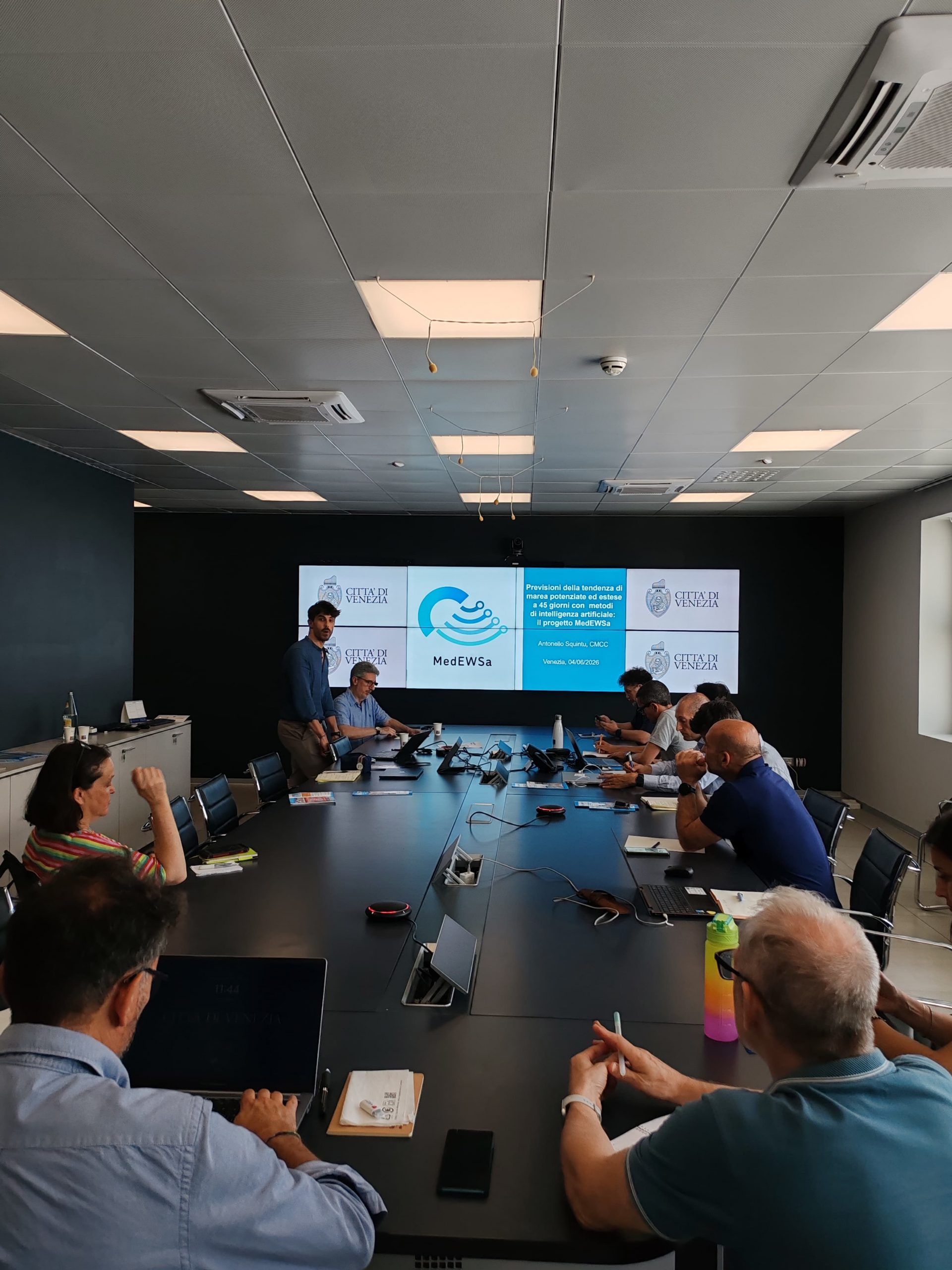
MEDEWSa – Strengthening forecasting and early warning systems across the European-Mediterranean-African region using innovative tools like AI.
NIGHTINGALE – Advancing emergency medical triage and response with integrated toolkits for first responders.
RESCUER – Developing advanced sense augmentation tools to enhance situational awareness for firefighters, police and paramedics.
The HuT (Helping Europe cope with Climate Extremes) – Fostering risk communication, decision support and multi-hazard tools for community preparedness.
TRANSCEND – Involving citizens directly in the design and development of security technologies to make societies safer.